15.7.2026 / Education
Why Nutrition Education Belongs Alongside Reading and Maths
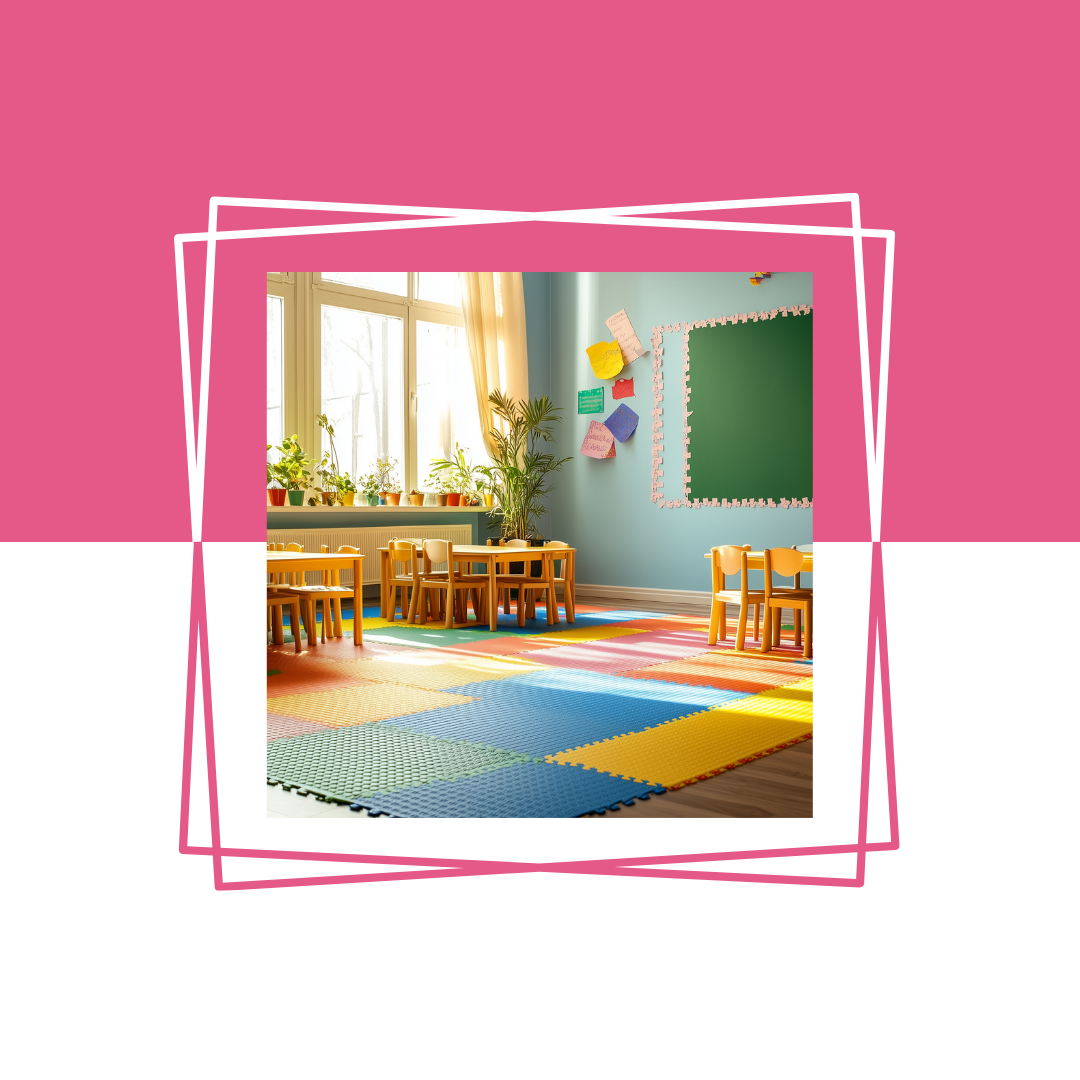
Every parent expects their child to learn how to read. We expect schools to teach mathematics, science, languages, and increasingly, the skills needed to navigate a complex and rapidly changing world. We understand that these abilities are not innate. They are learned through guidance, practice, and repeated exposure over many years. Yet when it comes to food, we often assume children will simply figure it out.
This is a curious contradiction. Food is something every child will engage with multiple times a day for the rest of their lives. The habits, preferences, and relationship they develop with food can influence their health, wellbeing, confidence, and quality of life. Despite this, food education is often treated as an optional extra rather than a fundamental life skill.
Perhaps this made more sense in the past, when children were more closely connected to where food came from and how it was prepared. Today, children are growing up in a very different food environment, surrounded by thousands of food and drink products, persuasive marketing, and increasingly complex choices. Research has repeatedly shown that food marketing influences children’s preferences, requests, and eating behaviours. In many ways, children are already receiving food education every day, but increasingly from commercial sources rather than educational ones.
Within the limited opportunities to learn about food, education often focuses on information: food groups, nutrients, and healthy eating guidelines. While useful, information alone is rarely enough. Children do not develop positive relationships with vegetables because they memorise the vitamins they contain. They develop positive relationships with food when it becomes familiar. When they see it, touch it, prepare it, talk about it, and encounter it regularly without pressure.
Research consistently supports the importance of repeated exposure. Studies have shown that children often need multiple opportunities to encounter a new food before they begin to accept it. Learning about food, like learning to read, is a process rather than a single event.
Towards Food Literacy
The broader concept of food literacy has gained increasing attention in recent years. Food literacy includes understanding where food comes from, recognising ingredients, developing practical food skills, making informed choices, and feeling confident navigating the food environment. In other words, it is not just about knowledge. It is about capability.
The development of these capabilities also begins much earlier than we often realise. Research shows that food preferences and eating habits start forming in early childhood. The experiences children have around food, and the attitudes they observe from the adults around them, help shape the relationship they will carry into later life. This means that food literacy is not simply about preventing future health problems. It is about helping children build curiosity, confidence, and familiarity during the years when lifelong habits are taking shape.
The question, then, is broader than whether children are eating enough vegetables today. It is whether we are giving them the skills they need to navigate food successfully throughout their lives.
When children learn about food through cooking, gardening, storytelling, tasting activities, and play, they are developing much more than nutrition knowledge. They are building confidence, independence, curiosity, and practical life skills. In many ways, nutrition education belongs alongside reading and maths because it serves the same purpose. It equips children with knowledge and skills they will use every day for the rest of their lives.
The goal is not to turn every child into a nutrition expert. The goal is to help children grow up feeling confident, curious, and capable around food. We believe that is one of the most valuable lessons a child can learn.